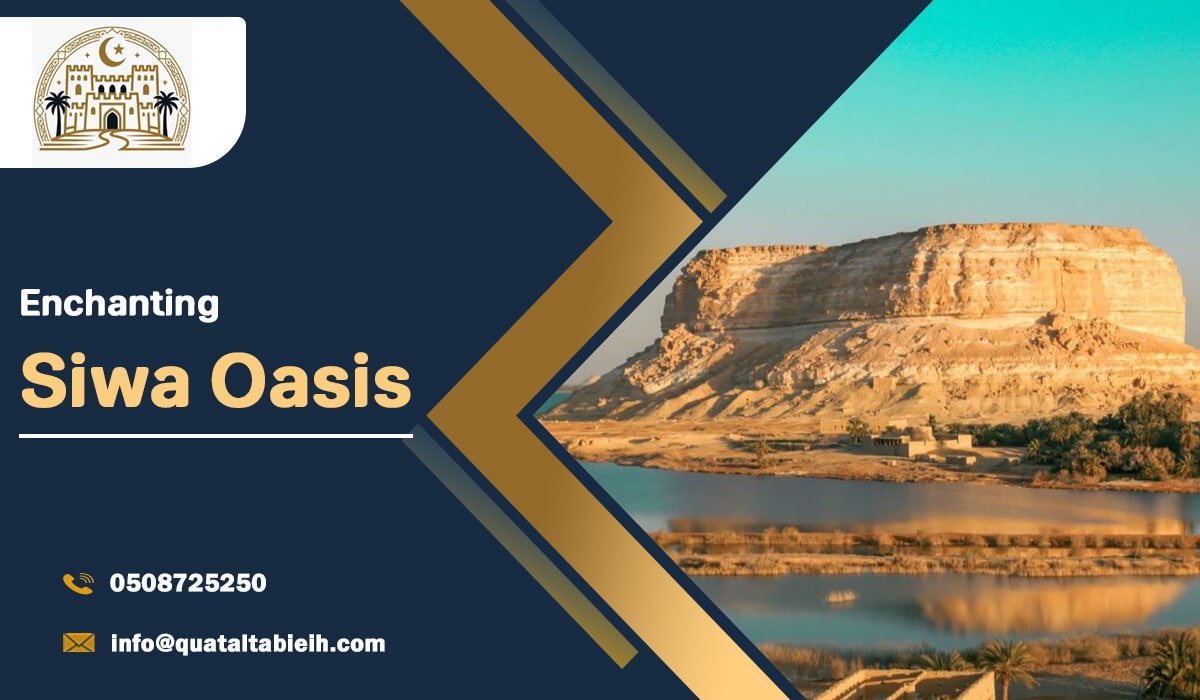
Nestled between the vast expanses of Egypt’s Western Desert and the Libyan border, Enchanting Siwa Oasis emerges as a mesmerizing sanctuary brimming with stunning natural beauty, deeply rooted ancient history and a vibrant Berber culture. This comprehensive guide delves into the oasis’s most iconic landmarks, including the legendary Temple of the Oracle, the mysterious Mountain of the Dead, the rejuvenating Cleopatra’s Spring and the rolling dunes of the Great Sand Sea. It also illuminates Siwa’s distinct geological formations, rare wildlife and sustainable eco-lodges, while providing practical travel advice regarding seasonal weather, safety protocols and accommodation options.
Enchanting Siwa Oasis is a realm of unparalleled magic, serving as a living testament to antiquity and ecological wonder. Crafted by an expert team of seasoned tour operators, knowledgeable guides and travel consultants, this article is designed to equip every traveler with essential facts and insights. As one of Egypt’s most breathtaking hidden treasures, Siwa is widely celebrated as a slice of paradise, a lush, vibrant green haven completely surrounded by the stark, unforgiving sands of the Sahara.
Visiting Siwa is an immensely rewarding experience. The region is packed with contrasting hot and cold natural springs, towering sand dunes, an enchanting historical narrative and a profoundly unique cultural landscape. The indigenous population speaks their own distinct language, known as Siwi, which is closely related to the Zenata language of the Berber people, distinguishing it significantly from the Arabic spoken throughout the rest of Egypt. The oasis’s geographical isolation, specialized ecosystem and historical inaccessibility have cultivated a rare, self-sustaining society that remains distinct from mainstream Egyptian culture.
Remarkably, the human footprint in Siwa is ancient and endlessly captivating. Archaeologists have even discovered a human footprint in the area believed to date back an astounding three million years, marking it as one of the oldest human traces in recorded history.
Did You Know? The word “Oasis” is derived from an ancient Egyptian term meaning “palm land.” This term was adopted by the Berber tribes and linked to the Asian Falcon, a bird of prey symbolizing the deity Amun-Ra. This connection beautifully explains why the region was historically known as the Oasis of Amun-Ra. It achieved monumental fame in 331 BC as the home of the Ammon Oracle, famously visited by Alexander the Great.BEDOUIN CASTLE
Tracing the Ancient Echoes: The Historical Timeline of Siwa
The timeline of the Enchanting Siwa Oasis is incredibly vast, with evidence of early human civilization tracing back to 10,000 BC. Noticeable signs of established human existence became prominent during the 26th Dynasty, around 525 BC. The ancient Greeks officially made contact with the oasis in the 7th century BC. It was during this era that the region served as the sacred home of the Oracle Temple of Amun. Alexander the Great famously traversed the harsh desert to visit this temple while hunting wild birds, forever cementing the site’s legacy as the Oasis of Amun-Ra.
Throughout the Ptolemaic Kingdom, the ancient Egyptians affectionately referred to Siwa as the “Field of Trees.” The renowned Greek historian Herodotus also documented the region, calling it the “Foundation of the Sun.” By the 12th century, it had been firmly established as the official homeland of the Berber people. For centuries, the entire population resided within a towering, 13th-century mud-brick fortress known as Shali, which protected the community until it was tragically decimated by a catastrophic rainstorm in 1926.
Geographic Splendor: Where is Siwa?
Positioned perfectly as an urban oasis, Siwa is tucked between the formidable Great Sand Sea of the Western Desert and the massive Qattara Depression. It sits approximately 50 km (30 miles) east of the Libyan border and 560 km (348 miles) from the bustling capital of Cairo. A road trip from Cairo typically takes about 8 hours by car, offering a scenic transition from urban sprawl to absolute desert isolation.
Siwa remains one of the most secluded and isolated territories in Egypt, home to a modest population of roughly 33,000 residents, predominantly of Berber descent. The oasis itself is situated within a deep geological depression, plunging approximately 19 meters (60 feet) below sea level. While the 8-hour drive is the most common route, overnight buses are also available for intrepid travelers.
Flora and Fauna: The Desert’s Flourishing Ecosystem
Despite the harsh surrounding environment, Siwa is bursting with life. The landscape is dominated by lush olive groves and towering palm trees, interspersed with crystal-clear natural springs that provide a heavenly respite from the intense desert heat. While saltwater lakes are abundant, they offer limited agricultural utility. However, the region is blessed with over 300 freshwater springs and streams, which effortlessly nourish an estimated 300,000 palm trees and 70,000 olive trees.
The wildlife in Siwa is equally fascinating. Birdwatchers can spot species like the turtle dove and Streptopelia. More importantly, the oasis provides a critical sanctuary for endangered species such as the Slender-horned Gazelle and the elusive Fennec Fox. Remarkably, the region also serves as a natural habitat for the Cheetah, one of the most critically threatened feline species on the planet.
Monuments of Antiquity: Unmissable Historical Sites
Among the most universally recognized landmarks in Siwa is the legendary Temple of the Oracle, which dates back to the 6th century BC. It was here that Alexander the Great sought divine validation, asking the oracle to confirm his destiny and his divine lineage as the son of Zeus. Local legends even suggest that Alexander may have been secretly buried somewhere within the sands of Siwa.
Just a short distance from the town center lies the Mountain of the Dead (Gebel al-Mawta). This imposing rocky hill contains a staggering 1,500 tombs dating from the late Pharaonic and Greco-Roman periods. Explorers stepping into these tombs will be greeted by incredibly well-preserved ornate funerary paintings and ancient drawings.
Top Attractions and Experiences in the Oasis
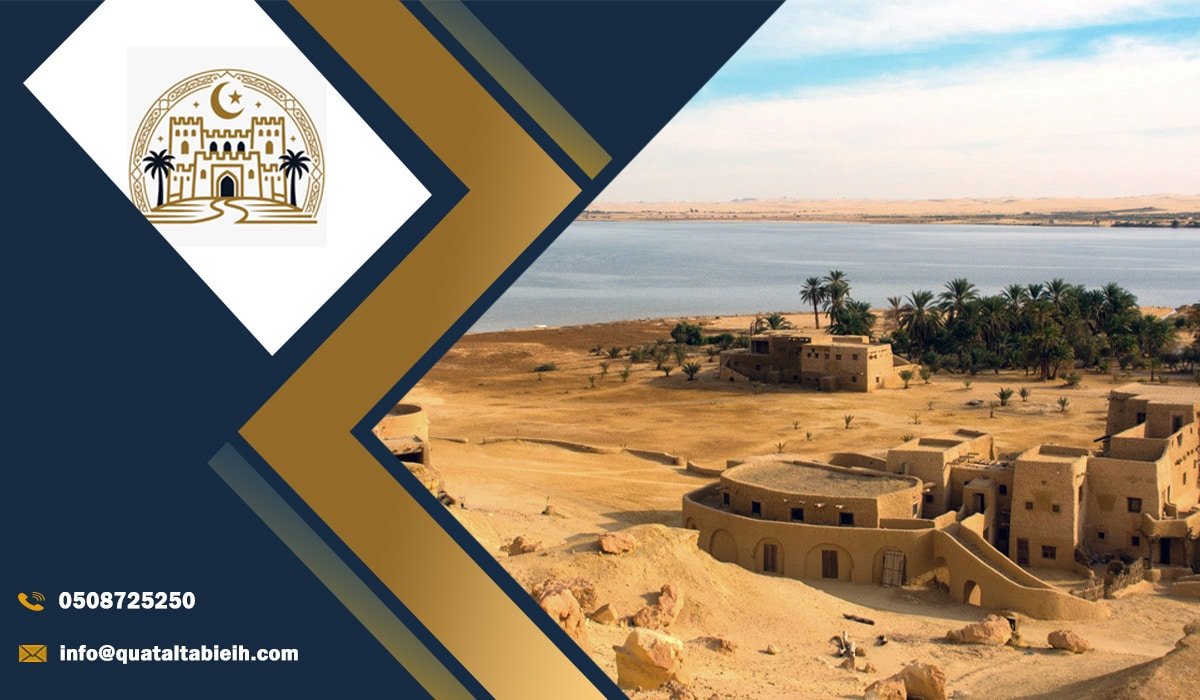
Top Attractions and Experiences in the Oasis
Enchanting Siwa Oasis is undoubtedly one of the most mysterious, visually stunning and culturally rich destinations in Egypt. It offers a diverse array of activities and unique attractions:
- The Shali Fortress: A must-see focal point where visitors can carefully hike up the melting mounds of mud and salt, the traditional kershif building material of the 13th century. From the summit, travelers are rewarded with panoramic views of date and olive groves stretching endlessly into the horizon.
- Cleopatra’s Spring: Located along the path leading to the Oracle Temple, this natural stone pool allows tourists to bathe in mineral-rich spring waters. Local folklore insists the spring was frequented by Queen Cleopatra VIII herself. Due to its popularity with locals, it is highly advised to wear modest swimwear.
- The Salt Lakes: Renowned for their striking, translucent turquoise waters and high salt concentration, these lakes offer incredible buoyancy. Floating effortlessly in these pristine waters is a magical, therapeutic experience sought after by travelers year-round.
- The Temple of the Oracle: Once revered across the entire Mediterranean, these ancient ruins from the 6th century BC remain open to the public, allowing modern travelers to walk the exact steps of Alexander the Great.
- Mountain of the Dead: This historic necropolis is riddled with ancient tombs. The colorful frescoes inside offer a rare glimpse into the burial rituals and artistic stylings of the Greco-Roman era.
- Fatnas Island: Positioned on the edge of Lake Siwa, about 6 kilometers from the town center, this island features a hot spring perfect for a healing swim. It is especially popular at sunset when visitors can relax at nearby cafes and watch the sky explode with color.
- The Great Sand Sea: Bordering the oasis, this vast expanse of mountainous sand dunes is the perfect playground for super safari tours. Visitors can explore hidden springs and surreal rock formations deep within the desert.
- The Siwa House Museum: A treasure trove of local heritage, this museum displays authentic artifacts belonging to ancient Siwan populations. It offers deep insights into local customs, including the elaborate 7-day Siwan wedding traditions and the ornate bridal garments.
The Heart of Siwa: Local Traditions and Berber Identity
The community of Siwa comprises approximately 25,000 to 30,000 individuals, the vast majority being Siwi Berbers. The Siwi language, a distinct Berber dialect, is proudly spoken alongside Arabic. This linguistic dualism is the cornerstone of Siwan identity and is crucial for the preservation of their unique cultural heritage.
Historically, this population remained entirely isolated due to the harsh geography of the Western Desert. It wasn’t until a paved road was constructed in the 1980s that interaction with the outside world became a regular occurrence. Alongside the Berbers, a small Bedouin community resides here, primarily engaging in desert tourism and trade. Today, the oasis stands as a culturally distinct province of Egypt, fiercely proud of its Berber traditions.
Below Sea Level: The Topographical Depression
Geologically, Enchanting Siwa Oasis is situated within a massive depression that bottoms out at 19 meters (62 feet) below sea level. This unique topographical feature is the reason for the abundance of artesian springs, as underground water is naturally pushed to the surface. This fresh water is the lifeblood of the oasis, making agriculture possible in an otherwise barren wasteland.
Neighboring Siwa is the Qattara Depression, an even larger and deeper geological feature of the Western Desert that plunges to 133 meters below sea level, making it the second-lowest point on the African continent. This specific geology has been instrumental in Siwa’s survival across millennia.
Traveler Security: Ensuring a Safe Desert Escape
Enchanting Siwa Oasis is widely regarded as a highly safe and secure destination for international tourists. It boasts a peaceful, hospitable community that relies heavily on tourism for economic stability. However, given its remote location, it is always recommended to travel with certified tour operators or reputable guides, especially if your itinerary includes venturing deep into the Great Sand Sea or near the Egypt-Libya border.
While the town itself is secure, standard travel precautions should be observed. More importantly, travelers must remember that Siwa is a deeply conservative society. Showing respect for local traditions and dressing appropriately is the best way to ensure a warm welcome and a positive experience.
Life-Giving Waters: Springs and Salt Lakes
Water defines the landscape of Siwa, which boasts over 200 natural springs and several massive salt lakes. These artesian-fed springs have sustained local agriculture and human life for centuries.
Cleopatra’s Bath remains the most famous hot spring, drawing crowds seeking relaxation. Additionally, the two primary salt lakes, Birket Siwa and Birket Zeitun, are vital to the ecosystem. Beyond agriculture, these lakes attract health-conscious tourists eager to experience the therapeutic, skin-healing benefits of the hyper-saline waters.
Understanding the Desert Climate
The climate in Siwa is strictly classified as a hot desert environment, featuring blistering summers and surprisingly mild winters.
- Summer (May to September): Temperatures easily exceed 40°C (104°F). The intense heat makes daytime exploration physically demanding and largely unadvisable.
- Winter (December to February): A stark contrast to the summer, winter brings highly agreeable daytime temperatures ranging from 15°C to 25°C (59°F to 77°F), though nights can be bitterly cold.
- Rainfall: Precipitation is incredibly rare. The oasis averages a mere 9 mm of rain annually, almost exclusively occurring in the winter. Expect relentless sunshine, averaging over 3,540 hours of clear skies per year.
Kershif and Clay: The Unique Architectural Heritage
The architecture in Siwa is entirely distinct organically tied to the materials provided by the desert. Traditional dwellings are constructed from kershif, a highly effective, naturally insulating mixture of local salt, mud and palm wood.
The most magnificent representation of this is the Shali Fortress. Built in the 13th century, it stands as the ultimate symbol of Siwan resilience. Though partially melted by uncharacteristic rains in 1926, the fortress ruins are beautifully illuminated at night, creating a spectacular visual anchor for the town. While modern cement is slowly being introduced, the traditional kershif style remains heavily utilized, particularly in the construction of eco-lodges.
Festivals and Crafts: A Deep Dive into Siwan Heritage
Siwa’s cultural fabric is deeply intertwined with Berber customs. The society places a massive emphasis on communal harmony, best showcased during the annual Siyaha Festival in October. This multi-day event celebrates peace, unity and the harvest, paying homage to the town’s patron saint, Sidi Sulayman.
Artisanal crafts are also a major cultural pillar. Exquisite silver jewelry, intricate embroidery and traditional pottery are crafted daily. Many of these items are adorned with ancient Berber symbols meant to attract fertility and good health. Decades of isolation have perfectly preserved these traditions, ensuring that local music, clothing and culinary practices remain untouched by modern homogenization.
Under the Stars: Desert Camping and Safaris
For those seeking absolute immersion in nature, camping in Siwa is a top-tier activity. The Great Sand Sea provides an unbelievable backdrop for adventure. Visitors can partake in thrilling sandboarding, embark on traditional camel treks and enjoy world-class stargazing free from light pollution.
Numerous local operators facilitate overnight trips in authentic Bedouin-style tents, complete with fire-cooked traditional meals and local music. For a calmer alternative, pitching a tent near the reflective salt lakes provides unmatched serenity, especially during the breathtaking desert sunrises and sunsets.
Souvenirs of the Sand: The Local Shopping Experience
Shopping in Siwa offers a direct connection to the local artisans. The markets are filled with beautiful, hand-crafted goods that make perfect keepsakes. Travelers can purchase authentic Siwan silver jewelry, vibrantly embroidered textiles, hand-woven baskets and rustic pottery, all bearing distinct Berber design motifs.
Furthermore, Siwa is internationally famous for its premium agricultural exports. High-quality organically grown dates and exceptionally pure olive oil are absolute must-buys. The local marketplace may be intimate, but it is brimming with genuine, artisanal treasures.
Limestone and Inselbergs: The Geological Makeup
The literal bedrock of Siwa is composed of Miocene-era limestone, which dictates the region’s dramatic topography. Because the oasis is nestled within a depression, it is surrounded by striking “inselbergs”, isolated, sheer rock hills that jut violently out of the flat desert floor, sculpted over thousands of years by relentless wind erosion.
As a component of the broader Libyan Desert plateau, Siwa’s geology is intrinsically linked to the neighboring Qattara Depression. It is this exact geological anomaly that forces the underground aquifers to the surface, resulting in the life-sustaining springs and salt lakes.
Culinary Delights: Dining and Local Gastronomy
The culinary scene in Siwa is highly authentic, characterized by small, welcoming eateries serving traditional Egyptian and Siwan fare. Menus heavily feature local staples like olives, dates and fresh vegetables, prepared with simple yet robust flavors.
Top-rated dining establishments include OLA Restaurant, Abdu Restaurant, Muhra Restaurant and Tekeyet Elamir Restaurant & Café. Travelers should not miss trying fattah (a hearty mix of rice, toasted bread and meat) or agroz (the tender heart of the palm tree). Kenooz and Abdu’s Restaurant are particularly famous for delivering unparalleled Siwan hospitality alongside their delicious meals.
When to Visit: Seasonal Travel Recommendations
The absolute best window for planning a trip to Egypt and Enchanting Siwa Oasis specifically, is between October and April. During these months, the weather is wonderfully mild, making it perfect for exploring the Oracle of Amun, taking a dip in the springs or tackling the dunes of the Great Sand Sea.
Conversely, the peak summer months (May to September) bring brutal heat that can severely limit daytime activities. Spring and autumn are the sweet spots, offering flawless weather for desert camping and allowing visitors the chance to align their trips with cultural highlights like the famous Siyaha Festival in October.
Respecting the Culture: Dress Codes and Etiquette
Because Siwa operates as a highly traditional and conservative community, modesty in dress is strongly encouraged, particularly for female travelers. To show respect for local norms, it is advised to wear loose, comfortable clothing that fully covers the shoulders, arms and legs. Long skirts, wide-legged pants and high-necked blouses are ideal for walking through the town.
While tourists are not required to wear a headscarf, keeping a pashmina or scarf handy is a sign of deep respect, especially when visiting sites of cultural or religious significance. Within the private confines of eco-lodges or specific hot springs, standard swimwear is acceptable, but travelers should always cover up when transitioning back to public areas.
Eco-Lodges and Retreats: Where to Stay
Siwa has pioneered the concept of sustainable desert tourism, offering accommodations that range from rustic eco-lodges to comfortable, modern hotels. World-renowned properties like Adrère Amellal and Shali Lodge are constructed entirely from traditional kershif, allowing the buildings to blend seamlessly into the surrounding desert aesthetic.
Other highly rated options include Tijan Siwa, Seliyaa Hotel, Taghaghien Island Resort Siwa and Cafour House Siwa. Many of these eco-resorts intentionally operate without electricity, utilizing candlelight and torches to create an unforgettable, romantic desert ambiance. For those seeking absolute isolation, the Taziry Ecolodge offers a serene, tech-free retreat into nature. Ultimately, the hotels in Siwa prioritize sustainability and cultural authenticity, guaranteeing a truly transformative stay.
Embark on Your Unforgettable Egyptian Expedition
The Enchanting Siwa Oasis is an absolute must-see destination that promises to change the way you view the world. Do not miss the opportunity to explore this miraculous sanctuary. You can fully experience the allure, mystery and deep-rooted bliss of ancient Egyptian culture by booking our bespoke Egypt tours. Discover the historical artifacts of Cairo, Alexandria, Luxor and Aswan and elevate your journey with a magical Nile River cruise..contact us