Local review required before publication. Operational details last verified on September 28, 2026.
White Desert Egypt with kids can work well, but the useful question is not “Is there one perfect age?” It is whether a particular child can manage the Cairo to Bahariya road journey, a moving 4×4, unfamiliar food, a basic toilet arrangement, changing temperatures and one night outside a conventional room. A private route and an arrival night in Bahariya give parents more control over stops, meals, sleep and timing. This guide helps families decide honestly. It covers private versus shared travel, road breaks, tents and bedding, toilets, food, clothing, a slower sample itinerary and the questions to ask before paying. It does not make medical promises or claim that every child will enjoy camping. Parents should discuss health needs with an appropriate professional and settle operational details directly with the local team.
Quick answer
Families can visit the White Desert successfully when the itinerary is private, the children can manage the Cairo to Bahariya road journey, sleeping equipment is confirmed and the adults understand the basic camp setup. For many families, the easiest plan is an arrival night at a Bahariya hotel followed by a private 2-day / 1-night safari. Very young children, medical needs, extreme weather or a rushed same-day arrival may require a different plan.
Table of contents
- Is the White Desert suitable for children?
- Private versus shared tours
- Hotel night and one camp night
- The Cairo journey
- Sleeping setup
- Toilets and washing
- Food, water and dietary needs
- Cold nights, sun and clothing
- Sample family itinerary
- Packing table
- When a day trip is better
- Questions before a deposit
- FAQ
Planning the days around your stay? Our friends at Egypt Desert Trips keep a handy list of the best things to do in the White Desert, from sandboarding and camel rides to a night under the stars, most of them easy for children.
White Desert Egypt with Kids: Is It Suitable for Your Family?
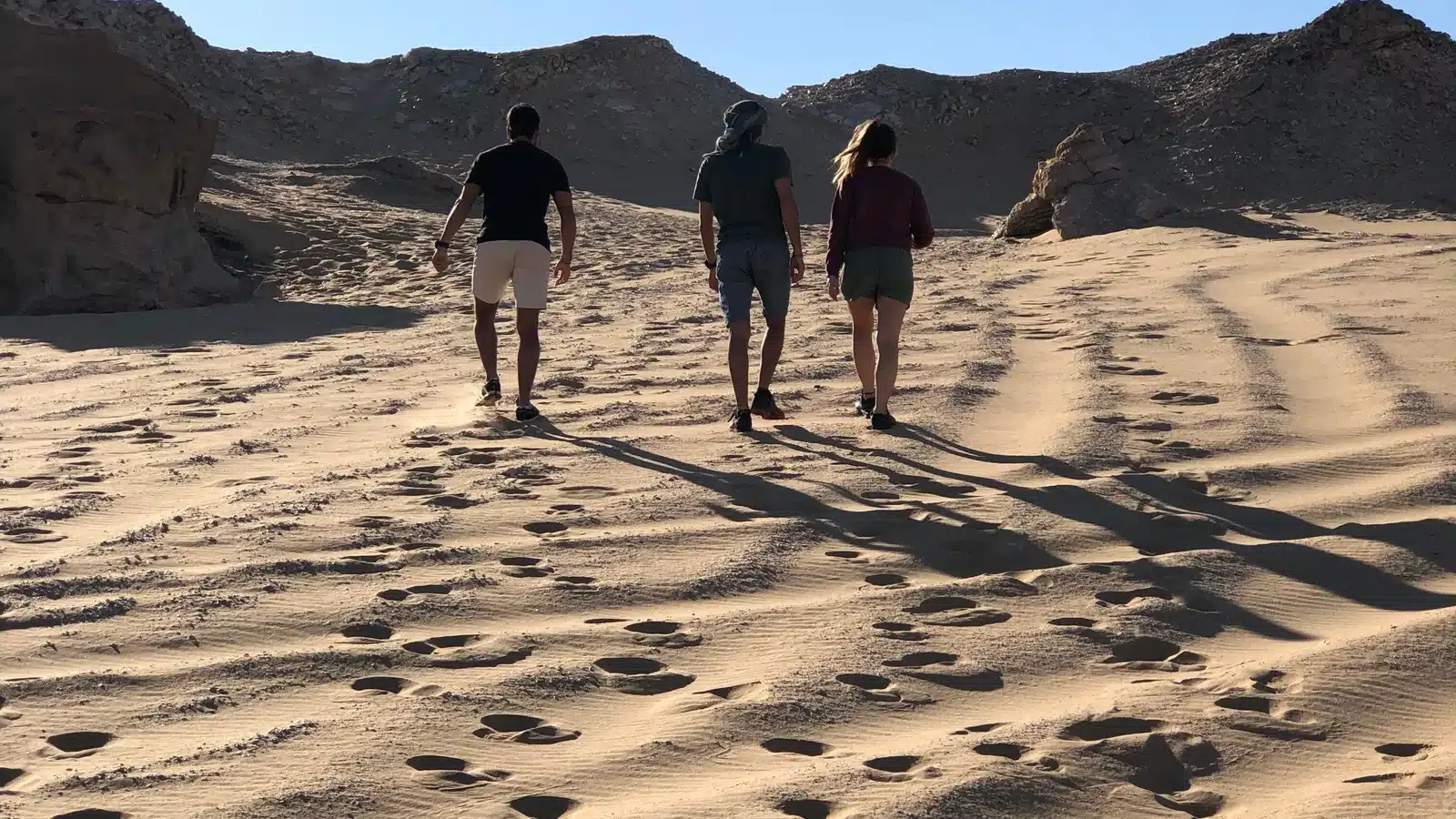
There is no universal minimum age that can replace parental judgment. Start with road tolerance. A child who becomes very distressed after an hour in a car may find the Cairo to Bahariya leg difficult before the 4×4 section even begins. Next consider toilet independence, the ability to sleep in a tent, response to unfamiliar food, sensitivity to heat or cold, and willingness to follow instructions around vehicles and formations.
Health needs require a separate decision. The desert camp is remote from a normal hotel bathroom and pharmacy. Families managing serious allergies, respiratory conditions, mobility limitations or medication schedules should describe the need before booking and seek professional medical advice where appropriate. An operator’s friendly reassurance is not a medical assessment.
Supervision remains with the adults. Children should stay within sight, never climb fragile chalk, and never approach a moving 4×4 without a guide’s signal. Wildlife should not be fed or chased. Parents should be comfortable with a quiet evening rather than expecting a resort-style activity program.
A useful test is to describe the least comfortable part of the trip, not only the highlights. Explain the long drive, sand, simple toilet, unfamiliar sleep and limited washing in age-appropriate language. If that produces strong anxiety before booking, a hotel-and-day-trip plan may be kinder. Children who understand the routine can help pack their own warm layer, water bottle and quiet activity, giving them a practical role without making them responsible for safety.
Private vs Shared Tours for Families
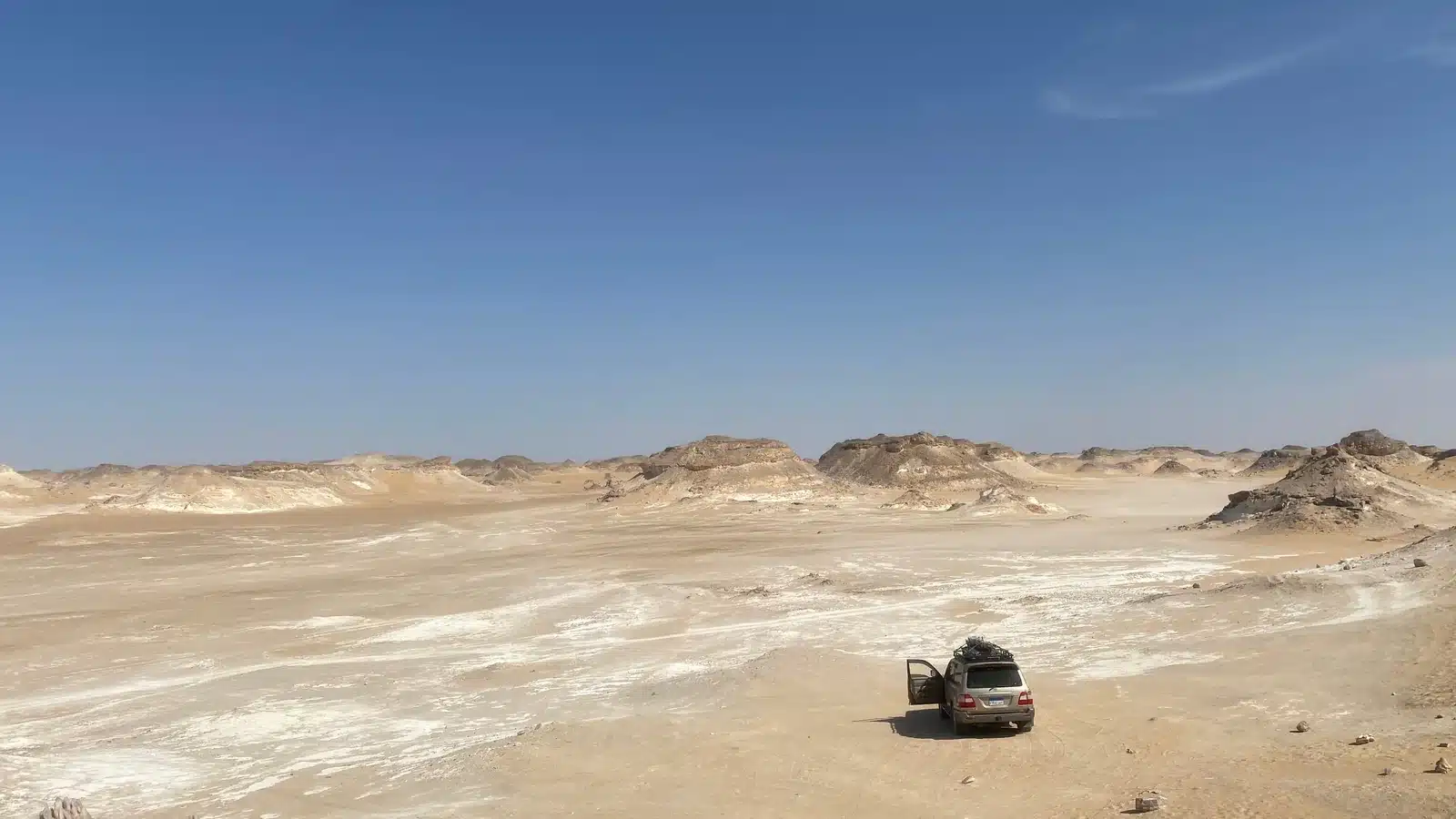
A private 4×4 can make the pace easier. Parents can request sensible toilet stops, reduce time at a location that is not working, and discuss food or bedtime with one team. Privacy at camp and vehicle seating are simpler to define. This does not mean a private trip removes every constraint: route access, daylight and safe camp placement still guide the day.
A shared departure can cost less and may be enjoyable for sociable families, but the match needs thought. Ask the number and ages of all guests, maximum seating, luggage space, planned stops and how tents are allocated. Other travelers should not discover at departure that the group includes children whose pace changes the itinerary. Equally, a family should not assume strangers will accept unplanned stops or noise.
| Decision | Private family trip | Shared departure |
|---|---|---|
| Pace | More adaptable within safe route limits | Balanced across all guests |
| Stops | Easier to request child breaks | Must suit the group |
| Tent | Family configuration can be agreed | Allocation must be confirmed |
| Cost | Family carries the vehicle cost | Operating cost may be shared |
| Best for | Young children, fixed routine, privacy | Older adaptable children and a confirmed match |
Neither option is automatically “better.” A transparent shared plan is preferable to a vague private promise. Get the total, start point, transfer, meals, equipment and cancellation terms in writing.
The Easiest Family Plan: Hotel Night + One Camp Night
For many families, the calmest structure is to reach Bahariya one day before the safari. Children can leave the vehicle, eat, use a private bathroom and sleep in a conventional bed. Adults can meet the local team and check the tent, bedding, food and return plan without doing it beside a departure vehicle.
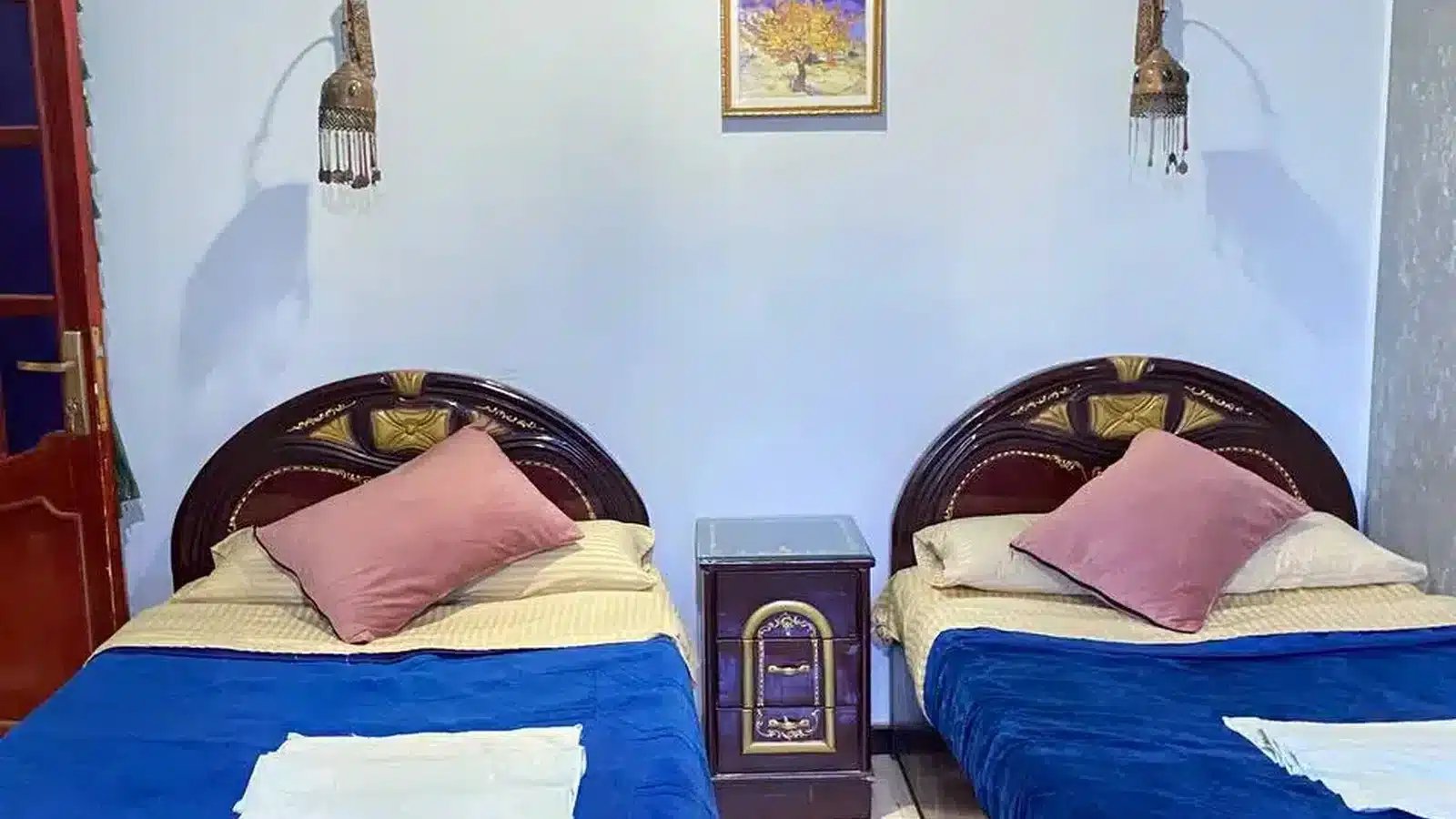
The current Bedouin Castle Hotel page confirms private bathrooms, air conditioning, Wi-Fi and breakfast with listed rooms. It does not confirm that luggage storage or shower-only access is automatically included for every safari booking; ask about those services for the exact dates. The hotel and safari should be quoted as separate items or as a clearly itemized package.
After breakfast, a private 2 Days / 1 Night White Desert Tour can begin from the local base. The first day covers selected landscape stops and one camp night. The second brings sunrise, breakfast and return. The route must remain adaptable to access and weather, and parents should avoid promising children every named landmark.
A second hotel night after camping is useful for families who prefer a full shower, a slow meal and reliable sleep before the Cairo road. Confirm the room rather than assuming it is held while you camp.
How Long Is the Journey from Cairo?
Published route times vary with Cairo pickup district, traffic, stops and the vehicle. Treat any number as an estimate, not a deadline. The Cairo to White Desert guide explains the transfer choices in current detail. For family planning, the important question is not only total hours but where breaks occur and how a late departure changes the desert day.
Pack water, familiar snacks, wipes, a small waste bag and a change of clothing where adults can reach them. Download quiet entertainment because mobile coverage cannot be assumed. If a child experiences motion sickness, ask a qualified professional about appropriate management before travel rather than relying on the operator for medication advice.
Child seats must be requested. Do not assume the road transfer or 4×4 carries the right seat or anchoring system. Send the child’s age and size, ask for a photograph or specification, and decide whether to bring your own compatible seat. Vehicle arrangements on the paved road may differ from the desert vehicle.
Pickup before dawn is not automatically family-friendly. Ask whether an arrival night allows a later breakfast departure. A schedule that looks longer on paper may produce a calmer experience with more usable daylight because the family starts rested in Bahariya.
What Do Children Sleep On in the Desert?
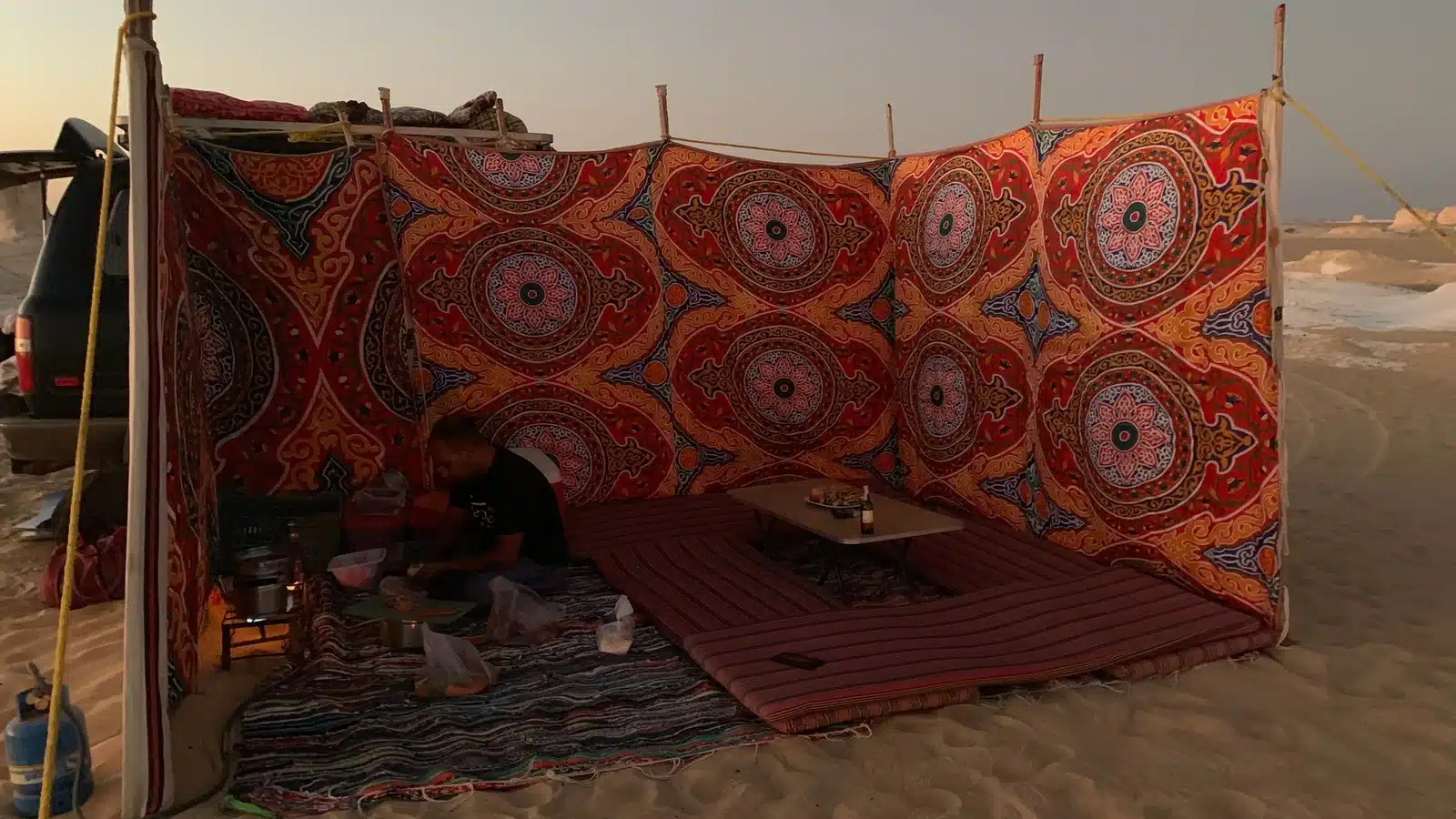
“Camping equipment included” is not enough information. Ask whether the setup uses a closed tent, windbreak or open sleeping arrangement; how many people fit; and whether the family sleeps together. Confirm mattress type, clean layer, blankets or sleeping bags, pillows and seasonal warmth. Request recent photographs of the actual equipment.
Children may react to a tent differently from adults. Practice one night at home if camping is new. Bring a familiar small blanket or soft item, but avoid valuable toys that can be lost in sand. Keep sleepwear, a headlamp and the child’s water in one bag. Dress in layers rather than relying only on camp bedding.
Wind can change the setup, so ask about an alternative. A good answer acknowledges conditions rather than promising the identical campsite and tent orientation every night. The camping guide gives a fuller packing list for adults and children.
Set clear night boundaries: children do not leave the sleeping area without an adult, do not walk behind vehicles, and use only the agreed toilet path. A low, red-mode light is less disruptive than a bright torch pointed across the camp.
Toilets, Washing and Changing Clothes
A remote camp is not a hotel. There is no permanent bathroom at every campsite. Operators may provide a privacy shelter and a basic toilet arrangement, but parents must ask what is supplied and how waste is managed. Show children the arrangement before darkness and accompany them.
Washing is normally limited. Bring personal wipes, hand sanitizer, tissues, a small towel and a sealable waste bag. Do not use soap, shampoo or wipes in a natural spring unless the local team explicitly says it is permitted, and never leave hygiene products behind. Girls and boys both need a clear changing place; confirm whether the tent or shelter offers it.
Hotel facilities before and after the safari are different from camp arrangements. A booked room has a private bathroom according to the current hotel page, but returning safari guests should not assume free room or shower access if they did not reserve it. Ask for day-use or post-safari room terms when needed.
Parents should carry an emergency clothing change inside the 4×4 rather than in luggage left at the hotel. Use a small labeled family bag so the team does not need to unpack the vehicle for every item.
Food, Water and Dietary Needs
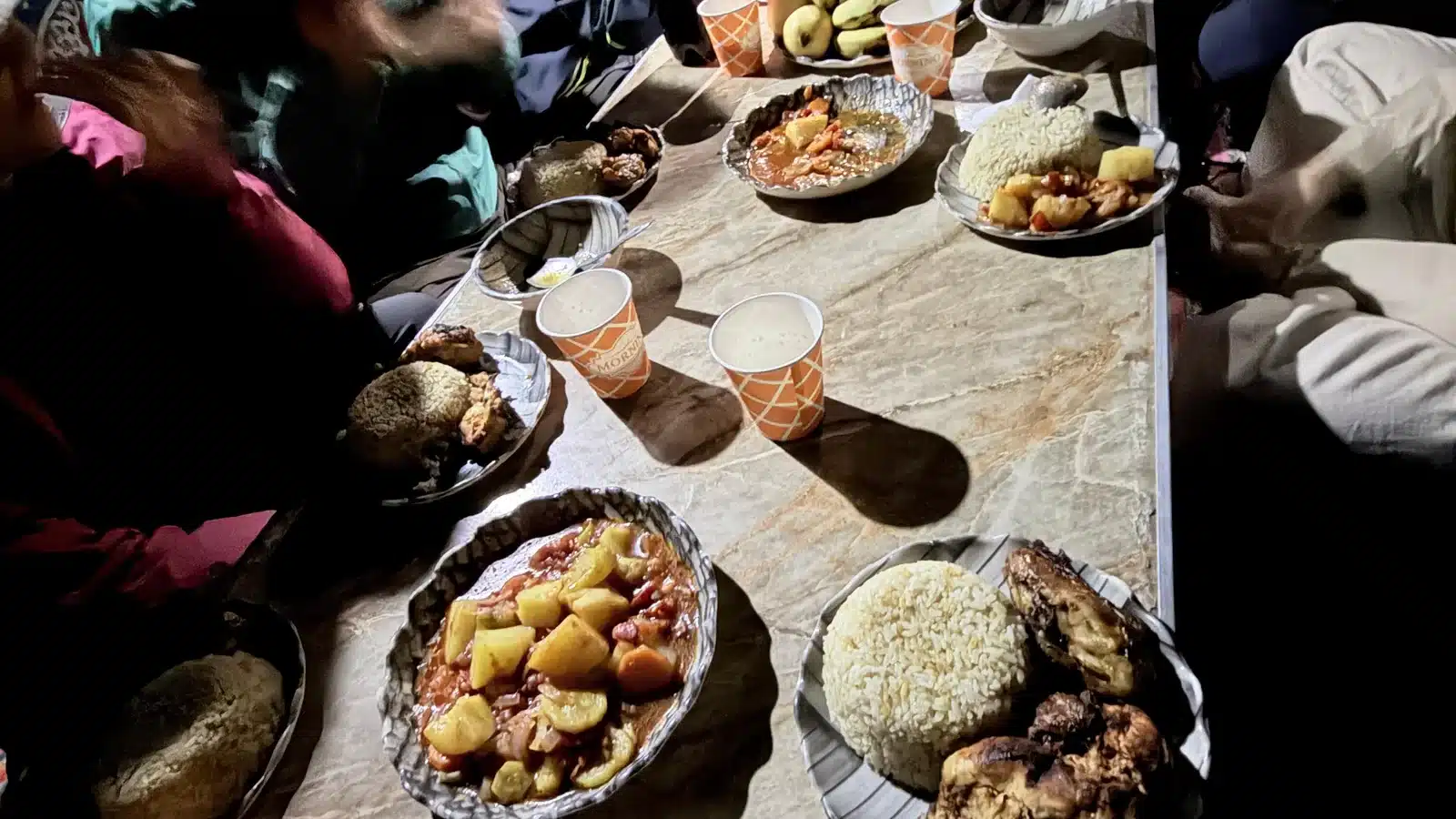
Desert meals are usually simple and freshly prepared, but a fixed menu should not be invented. Ask how many breakfasts, lunches and dinners are included and what a typical meal may contain on that date. Share allergies, vegetarian needs and foods a child cannot eat before paying. Severe allergy management requires direct confirmation and appropriate professional advice.
Bring a reasonable amount of familiar snack food, not a replacement kitchen. Choose items that tolerate heat, do not melt, and create little litter. Keep wrappers secured because wind can move them instantly. Ask whether drinking water is supplied per person and carry an extra child bottle.
Do not encourage wildlife with leftovers. Food should remain with the team’s storage plan. Children can watch meal preparation from a safe distance, but the cooking area, hot utensils and fire are not a play space. If a campfire is used, the guide controls it.
For the Cairo road, separate travel snacks from camp food. Heavy meals immediately before off-road driving may not suit everyone. The team can suggest timing, while the family decides based on normal habits.
Cold Nights, Sun and Clothing
Desert comfort changes quickly between sun, wind and night. Avoid a single temperature promise; check a current forecast close to departure and ask the local team about recent camp conditions. Use light breathable daytime layers, a sun hat, sunglasses and closed shoes. Pack a warm mid-layer, wind-resistant outer layer, socks and warm sleepwear for every child.
Sunscreen choice and use remain a parental decision. Shade can be limited, so build quiet breaks into the day and keep hats accessible. Children should drink regularly without waiting to feel thirsty. At the same time, parents need a realistic toilet plan; do not reduce water simply to avoid stops.
Loose sandals can be useful at a hotel or camp mat but are poor protection around stones and vehicle movement. Closed shoes with a familiar fit are safer for walking stops. Avoid brand-new footwear. Tie long hair and use a scarf or buff for dust if the child tolerates it.
The site’s guide to the best time to visit helps compare seasons. Weather suitability should be reconfirmed before departure; families should understand the operator’s change or cancellation process.
A Family-Friendly 2-Day Sample Itinerary
This sample prioritizes rest and a few strong stops rather than maximum mileage. It must be adapted to current access, daylight and the children.
Before the safari
Arrive in Bahariya in the afternoon or evening, check in, eat and sleep. Adults confirm the next day’s pickup, vehicle, seats, food, tent and luggage. Pack one desert bag while leaving nonessential items under the hotel’s confirmed arrangement.
Day one
After breakfast, meet the local team and transfer to the 4×4. Choose breaks based on safe locations, not a rigid clock. Visit selected Black Desert and route landscapes, with a spring stop only when currently suitable. Pause for lunch and give children time outside the vehicle without encouraging climbing. Continue toward the White Desert, select camp according to conditions, watch sunset, eat and settle before the children become overtired.
Day two
Wake for sunrise only if the family slept well. Breakfast and pack without rushing. Visit a limited number of chalk formations and return to Bahariya. Use a booked room or meal if arranged, then continue to Cairo or stay another night. Do not schedule a tight flight connection after the expected return.
The value of a private family route is the ability to shorten a stop or rest, not permission to ignore the guide, access rules or protected landscape.
What to Pack for Children
| Category | Pack | Reason |
|---|---|---|
| Clothing | Day layers, warm sleepwear, socks, spare set | Temperature and spills |
| Comfort | Small familiar blanket or quiet toy | Helps unfamiliar sleep |
| Food | Familiar durable snacks | Backup, not meal replacement |
| Health | Personal prescribed medication and instructions | Keep essential items with adults |
| Entertainment | Downloaded audio, cards, drawing pad | Long road with limited signal |
| Sleeping | Warm layer, headlamp, optional liner after confirmation | Night comfort |
| Sun | Hat, sunglasses, family-chosen sunscreen | Limited shade |
| Hygiene | Wipes, tissues, sanitizer, towel, waste bags | Basic camp facilities |
Add copies of booking details and emergency contacts. Keep passports, medication, water and one clothing change in the accessible bag. Label items discreetly. Do not bring large wheeled luggage into the 4×4 unless the team confirms space.
When a Day Trip or Hotel-Only Stay May Be Better
A camping night is optional, not a test of whether a family is adventurous. A White Desert day trip from Bahariya may suit a very young child, a poor sleeper, a family with a short schedule, or parents who want to experience the terrain before committing to camp. It still involves vehicle time and basic stops, so discuss the route.
A hotel-based oasis stay is another legitimate choice. Families can rest, visit suitable local sights and springs with a guide, and decide whether a shorter desert excursion feels right. Do not force a child through camping because a prewritten itinerary says it is the “real” experience.
Weather may also favor an alternative. Strong wind, unusual heat or cold, access changes and health concerns can make postponement or a shorter plan wiser. Ask what the operator offers if conditions are unsuitable and how deposits are handled.
Compare current lengths on the White Desert tours page, then choose according to the least flexible family member.
Questions Parents Should Ask Before Paying a Deposit
- What are the exact start and finish points?
- Which vehicle handles Cairo and which handles the desert?
- What seating and child-seat arrangement is confirmed?
- How many passengers and crew will be in the 4×4?
- Is the departure private or shared?
- What tent, mattress, bedding and family configuration are supplied?
- What is the toilet and changing arrangement?
- How many meals and how much drinking water are included?
- Are allergies or dietary requests accepted in writing?
- How are permits, access and current fees handled?
- Which stops are expected, and which depend on conditions?
- What hotel room, breakfast or post-safari use is included?
- Who is the 24-hour operational contact during the booked trip?
- What happens if weather or access is unsuitable?
- What are the deposit, cancellation and refund terms?
Keep the response with the booking. If a service is important, the answer should be specific rather than “no problem.” Parents deserve clarity, and the local team benefits from knowing the family’s real needs before departure.
Frequently Asked Questions
What age is best for a White Desert family tour?
There is no universal best age. Consider road tolerance, toilet independence, sleeping, food, temperature, medical needs and the ability to follow guide instructions. Send the child’s age and needs to the operator, then make a parental decision. Very young children or complex health needs may be better served by a hotel-based or day-trip plan.
Is a private tour better for families?
A private tour usually gives more control over breaks, pace, food discussion, vehicle seating and tent allocation. It costs more because the family carries the vehicle and team cost. A shared tour can still work for adaptable older children when the group, maximum size and sleeping plan are confirmed.
Are there toilets at the desert camp?
Do not expect a permanent bathroom. Ask whether the operator supplies a privacy shelter and basic toilet equipment, and how waste is handled. Parents should inspect the arrangement before dark and accompany children. Hotel bathrooms before or after camping are separate services that require a confirmed room or day-use plan.
Can children eat different food?
Simple adjustments may be possible, but they are not guaranteed. Share allergies, dietary restrictions and foods the child cannot eat before paying. Ask for a typical menu and bring limited familiar snacks. Severe allergies require direct operational confirmation and appropriate medical planning.
Is one night enough with kids?
One camp night is often the most manageable first plan. It allows sunset, camp and sunrise without committing the family to two remote nights. An arrival hotel night makes it easier. Families who already camp comfortably may consider longer routes, while unsure parents can choose a day trip.
Should we stay in Bahariya before the safari?
For many families, yes. It breaks the long transfer, provides a private bathroom and bed, and gives adults time to confirm equipment after meeting the team. It also protects more daylight for the desert route. Confirm room type, breakfast, arrival time and safari pickup in writing.
Can we request child seats?
You can request them, but must not assume availability or compatibility. Provide the child’s age and size, ask which vehicle uses the seat, and request a photograph or specification. The paved-road vehicle and 4×4 may differ. Parents may need to bring an appropriate seat after discussing installation.
What happens if the weather is unsuitable?
Ask this before paying. The operator should explain how wind, temperature, access or official instructions can change the route, camp or date, and how deposits apply. Families should keep onward travel flexible and choose an alternative such as a shorter trip or hotel stay when conditions or a child’s health make camping unwise.